

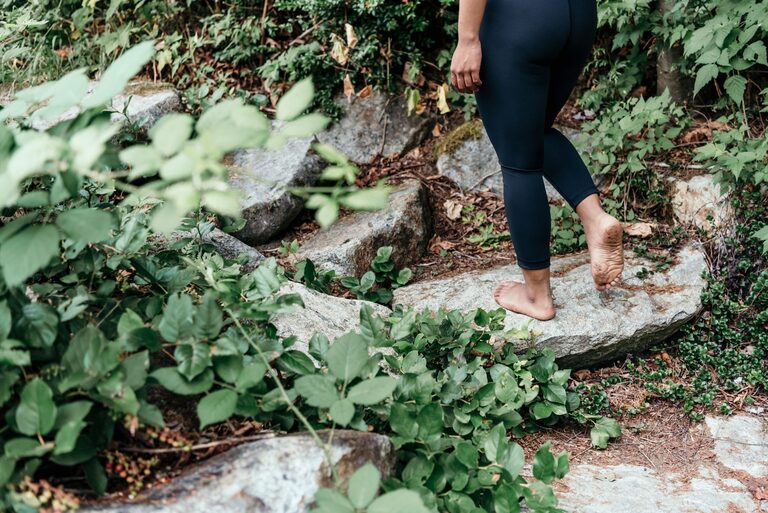
Mindful walking is a simple yet powerful practice that combines the benefits of walking and mindfulness meditation. It helps you connect with the present moment, calm your mind, and enhance overall well-being. Whether you’re looking for a way to reduce stress, improve concentration, or just enjoy your daily walk more deeply, mindful walking can be a great addition to your routine.
In this beginner guide, we’ll explore what mindful walking is, how to practice it, and tips to get the most out of your experience.
What Is Mindful Walking?
Mindful walking is a form of meditation that involves paying full attention to the physical experience of walking and your surroundings. Instead of walking on autopilot or letting your thoughts wander, you focus on the rhythm of your steps, your breath, and the sensations in your body.
This practice encourages you to slow down, observe your environment without judgment, and be present with each moment.
Benefits of Mindful Walking
Practicing mindful walking regularly can bring several benefits:
– Reduces stress and anxiety: Focusing on the present moment helps quiet racing thoughts.
– Improves mental clarity: Mindfulness boosts concentration and can enhance creativity.
– Enhances physical health: Walking itself supports cardiovascular health and muscle tone.
– Increases body awareness: You notice how your feet touch the ground and how your body moves.
– Promotes emotional balance: It helps develop patience and acceptance.
How to Practice Mindful Walking: A Step-by-Step Guide
Step 1: Choose Your Place
Pick a quiet, safe place where you can walk comfortably without distractions. It could be a park, a quiet street, your backyard, or even a hallway at home.
Step 2: Stand Still and Center Yourself
Before you start walking, stand still with your feet hip-width apart. Take a few deep breaths, feeling your body grounded on the earth. Notice the sensations in your feet and legs as they support your weight.
Step 3: Begin Walking Slowly
Start walking at a slower pace than usual. Pay attention to the movement of your feet—lifting, moving forward, and placing them down. Notice the heel touching the ground, then the ball of your foot, and finally your toes.
Step 4: Synchronize with Your Breath
As you walk, try to coordinate your steps with your breathing. For instance, you might take three steps while inhaling and three steps while exhaling. This creates a gentle rhythm and deepens your awareness.
Step 5: Engage Your Senses
Open your senses to the environment around you. Notice colors, sounds, smells, textures, and temperature. Observe without labeling or judging—simply experience.
Step 6: Be Present with Your Thoughts
It’s normal for your mind to wander. When this happens, gently bring your focus back to your walking and breathing. Mindfulness is about noticing without frustration.
Step 7: Close Your Practice
After walking for about 10 to 20 minutes, come to a stop. Stand still again and take a few breaths. Notice how you feel compared to when you started.
Tips for Successful Mindful Walking
– Practice regularly: Even 5–10 minutes daily can make a difference.
– Wear comfortable shoes: This helps you focus without discomfort.
– Choose different routes: New environments can keep the practice fresh.
– Use reminders: Schedule mindful walking in your calendar or use alarms.
– Combine with other mindfulness practices: Try mindful breathing or body scans before or after your walk.
– Be patient: It’s normal for mindfulness skills to develop gradually.
Common Challenges and How to Overcome Them
– Mind wandering too much: Gently redirect your focus without self-criticism.
– Feeling restless: Start with shorter sessions and slowly increase time.
– Distractions in busy areas: Use headphones with calming music or sounds, or choose quieter spots when possible.
– Forgetting to practice: Set small goals and reminders to build consistency.
Mindful Walking Variations to Explore
– Nature Walks: Focus on the natural elements like trees, birds, and wind.
– Urban Mindful Walks: Observe the architecture, sounds of the city, and people passing by.
– Walking with Gratitude: Notice things you appreciate during your walk.
– Walking Meditation Groups: Join local or online groups to practice with others.
Conclusion
Mindful walking is an accessible way to bring more peace and clarity into your daily life. It requires no special equipment or skills—just your attention and presence. By integrating this practice, you can enjoy walking not just as exercise, but as a meditative journey that nurtures both mind and body.
Start with a few minutes today, and experience how each step can bring you closer to calm and awareness. Happy walking!