

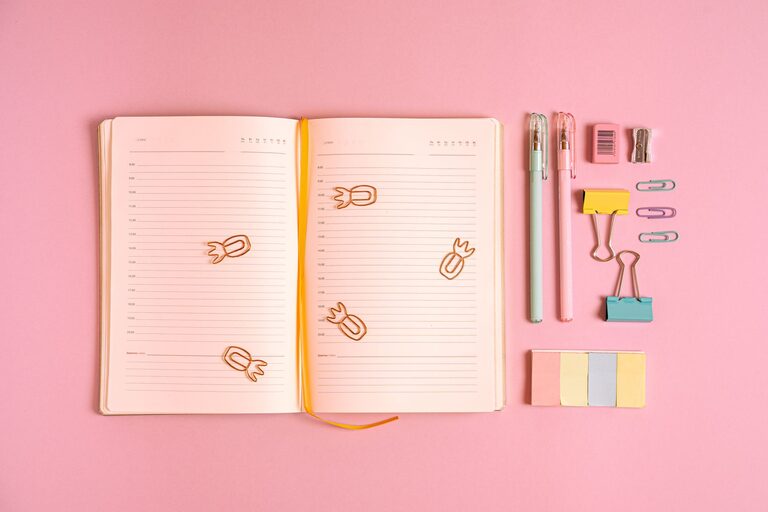
Journaling is a simple yet powerful practice that can help you gain clarity, manage stress, and spark creativity. If you’ve been thinking about starting a daily journal but don’t know where to begin, this beginner guide will walk you through everything you need to know. From choosing your tools to setting achievable goals, you’ll learn how to make journaling a rewarding part of your everyday routine.
Why Journal Every Day?
Daily journaling offers numerous benefits for your mental and emotional well-being:
– Self-reflection: Writing regularly helps you understand your thoughts and feelings better.
– Stress relief: Putting your worries on paper can reduce anxiety and clear your mind.
– Creativity boost: Journaling often sparks new ideas and fresh perspectives.
– Goal tracking: Keeping track of your progress toward personal goals becomes easier.
– Memory enhancement: Regular writing can improve your memory and focus.
Starting small and staying consistent is the key to reaping these benefits.
How to Get Started with Daily Journaling
1. Choose Your Journaling Tool
The first step is deciding how you want to journal. You have several options:
– Paper notebook: Many prefer traditional pen and paper for its tactile feel.
– Digital apps: Tools like Evernote, Day One, or even simple note apps on your phone provide convenience and searchability.
– Typed documents: Using a word processor or text editor can be efficient if you’re comfortable typing.
Choose the option that feels easiest and most enjoyable for you, as this will encourage consistency.
2. Set Realistic Goals
It’s important to start with manageable goals. Here are some tips:
– Start small: Commit to writing just 5 minutes or a few sentences each day.
– Pick a time: Choose a specific time daily—morning, lunch break, or before bed.
– Be flexible: Allow yourself to skip days if needed; the goal is consistency over perfection.
3. Create a Comfortable Environment
Where you journal matters. Create a space where you feel relaxed and inspired:
– Find a quiet corner free from distractions.
– Have your journal and pen ready and within reach.
– Consider lighting, background music, or a cozy setting that encourages writing.
What to Write About: Journaling Prompts for Beginners
Not sure what to write? Here are some easy prompts to get you going:
– What are three things you’re grateful for today?
– Describe one challenge you faced and how you handled it.
– Write about a positive memory or moment from your day.
– Set an intention or goal for tomorrow.
– Reflect on how you’re feeling emotionally and physically.
– List your current priorities or to-dos.
– Write a letter to your future self.
Feel free to experiment with different prompts or simply write whatever comes to mind.
Tips for Maintaining Your Journaling Habit
1. Keep It Simple
Don’t worry about grammar, spelling, or how “good” your writing is. Your journal is for you.
2. Be Honest and Open
Journaling works best when you’re truthful with yourself. Express your real thoughts and feelings without judgment.
3. Use Your Journal as a Safe Space
Treat your journal as a private place to unload your mind, celebrate victories, or work through challenges.
4. Review Regularly
Every week or month, take time to read past entries. This helps you see your growth, recognize patterns, and adjust goals.
5. Mix It Up
Try different styles of journaling such as lists, doodles, mind maps, or bullet journaling to keep the process fresh and enjoyable.
Overcoming Common Challenges
Lack of Time
– Keep entries brief; 5 minutes is enough.
– Write during idle moments like waiting in line or during a commute if possible.
Writer’s Block
– Use prompts to jump-start your writing.
– Remember, your journal doesn’t have to be perfect or even “good.”
Losing Motivation
– Make journaling a rewarding ritual—perhaps with a cup of tea or your favorite music.
– Remind yourself of the benefits you’ve experienced so far.
Final Thoughts
Journaling every day doesn’t have to be intimidating or time-consuming. By starting small, choosing a comfortable method, and embracing honesty, you’ll soon find that this habit enriches your life in meaningful ways. Remember, your journal is your personal space—make it yours and enjoy the journey of self-discovery through daily writing. Happy journaling!